Fellowships in Academic Administration Testimonials: Abiola Ibirogba (PhD Candidate, Earth and Environmental Sciences)
Abiola Ibirogba
PhD Candidate, Earth and Environmental Sciences
Host office: Office of Student and Family Support, Columbia College and Columbia Engineering (Spring 2025)
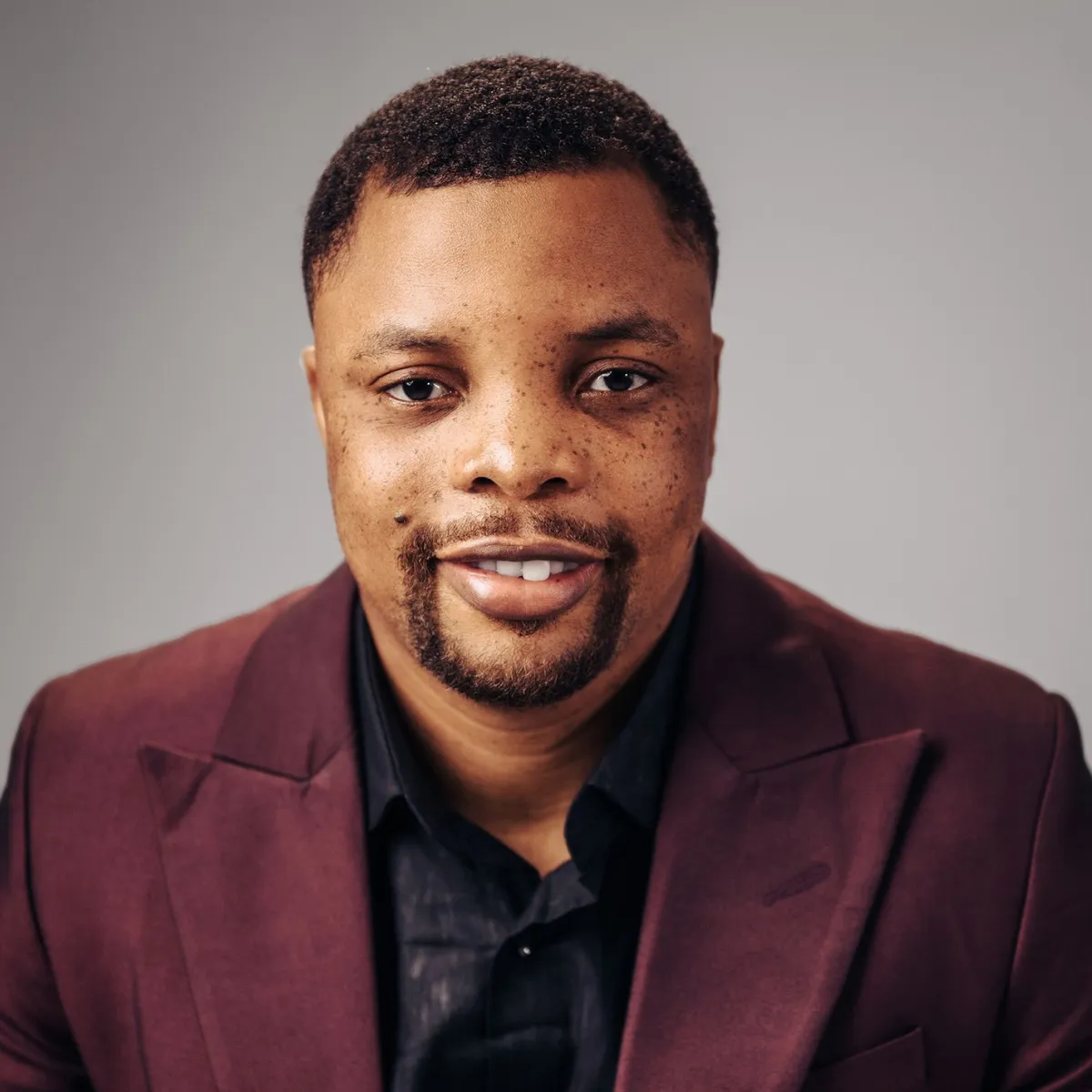
“I value deeply the connections I made through FAA–both with my mentor and with my peers serving as fellows in other offices across the university.”
How did your experience as a Fellow in Academic Administration contribute to your professional development?
I developed a strong interest in the ethical use of artificial intelligence in research through my role as an Academic Integrity Fellow. With my mentor’s guidance, I explored the ethics of writing and editing in academic contexts while reflecting on AI’s role in scholarship. Through sessions with students and faculty, I became familiar with tools like ScholarGPT and Perplexity AI, which support responsible research practices by helping identify sources rather than simply generating answers.
What is one project from your fellowship that you are most proud of?
I helped develop content to train the Cogniti chatbot for Academic Integrity modules on Canvas. The goal was to create a tool that could guide students through policies with clear, accessible explanations.
What skills did you gain during your fellowship?
Before beginning the Fellowship in Academic Administration, my interaction with digital tools was limited to tools for individual use like email and web browsers. Through the fellowship, I learned how to use shared drives, collaborative document editing, and data organization tools that enable you to work on multiple documents simultaneously and collaborate more efficiently. For example, I prepared presentations for my host office and drafted meeting agendas.
What academic skills did you use in your FAA role?
One of the surprises of the fellowship was realizing how many of my academic skills were still relevant in an administrative context. I spent a lot of time reviewing literature, analyzing documents, preparing presentations, and writing reports. I also had the opportunity to collaborate with my mentor on a grant proposal. Experiences like these showed me that administrative work at a university can still involve many of the same intellectual skills that scholars use in research and teaching.
How did the FAA change the way you see the university?
One of the most important lessons I learned was the complexity of the university ecosystem and the value of collaboration within it. I saw how my mentor worked with colleagues across Engineering, General Studies, and the Provost’s office to promote academic integrity.
What was the most challenging aspect of the fellowship?
One of the main challenges I faced was learning to work outside of the traditional academic environment. I had to build relationships with administrative staff, which required a different type of interaction than I was used to, especially as an international student. Conversations were often more informal, and I had to adapt to that. Initially, it felt unfamiliar, but I eventually realized how valuable these relationships can be.
What was most valuable about your FAA experience?
Connecting with fellows across offices fostered a strong sense of community, and professional development sessions organized by GSAS Compass were especially valuable. My mentor also expanded my network by introducing me to colleagues and offering practical advice on publishing, feedback, and navigating graduate studies—insights that are rarely taught but remain invaluable.