Fellowships in Academic Administration Testimonials: Levi Hord (PhD Candidate, English and Comparative Literature)
Levi Hord
PhD Candidate, English and Comparative Literature
Host office: Academic Affairs, Columbia College (Fall 2023–Spring 2024)
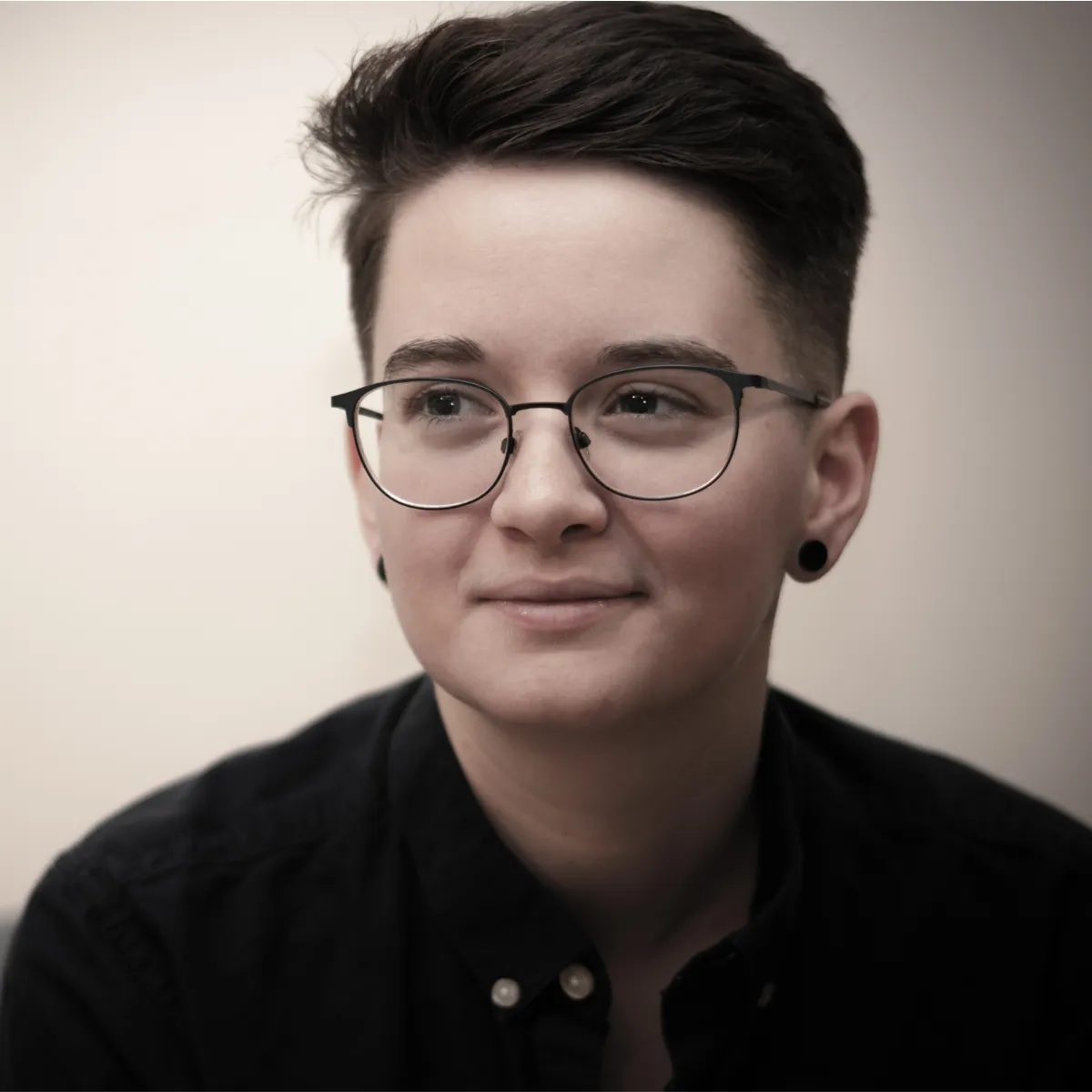
“It was exciting to use my humanities research skills in a new way to produce a report on diversity initiatives for a non-specialist readership.”
How did your experience as a Fellow in Academic Administration contribute to your professional development?
My time as an FAA focusing on Diversity in the Curriculum gave me a unique view of how universities translate values like equity and accessibility into practice. Working in this area required imagining how these principles—often treated as checkboxes or buzzwords—could become meaningful interventions in curriculum design and student access. With my mentor in the Columbia College Office of Academic Affairs, I collaborated on a report exploring these possibilities in a more nuanced way. At the same time, I saw how many decisions about diversity, equity, and inclusion were driven from the top and shaped by institutional priorities.
What is one project or initiative from your fellowship that you are most proud of?
I produced a report comparing DEI-related practices across different types of academic institutions across the country. Grounding questions of equity in actual practices, rather than public-facing rhetoric, I was able to translate the differences among different DEI frameworks, approaches, and best practices to those less familiar with them.
What insights did you gain into how a university operates administratively?
I learned a great deal about how administrators try to build bridges in decentralized universities and about the challenges of advancing social values in bureaucratic institutions. In order to make meaningful changes, it is necessary to navigate complex approval processes and coordinate across the university. The experience helped me better understand and reflect on how I might navigate similar situations in the future.
What were the most rewarding and surprising aspects of the FAA program?
The most rewarding aspect of the fellowship was the collaborative relationship with my mentor, whose deep institutional knowledge complemented my perspective on diversity frameworks. Our weekly conversations made the process both meaningful and intellectually engaging. I was also surprised by the level of agency I had in shaping the project, which allowed me to apply my work as a gender theorist and to develop accessible, practical strategies for supporting students.
What advice would you give to future fellows to help them make the most of this opportunity?
Make as many connections as you can during your time as a fellow, as these relationships can be a great source of support. Reflect and journal as you go, so you can translate the worth of your experience across contexts—because so much is transferable during a job search.