
Alumni Spotlight: Rachel Bronson (’97PhD, Political Science)
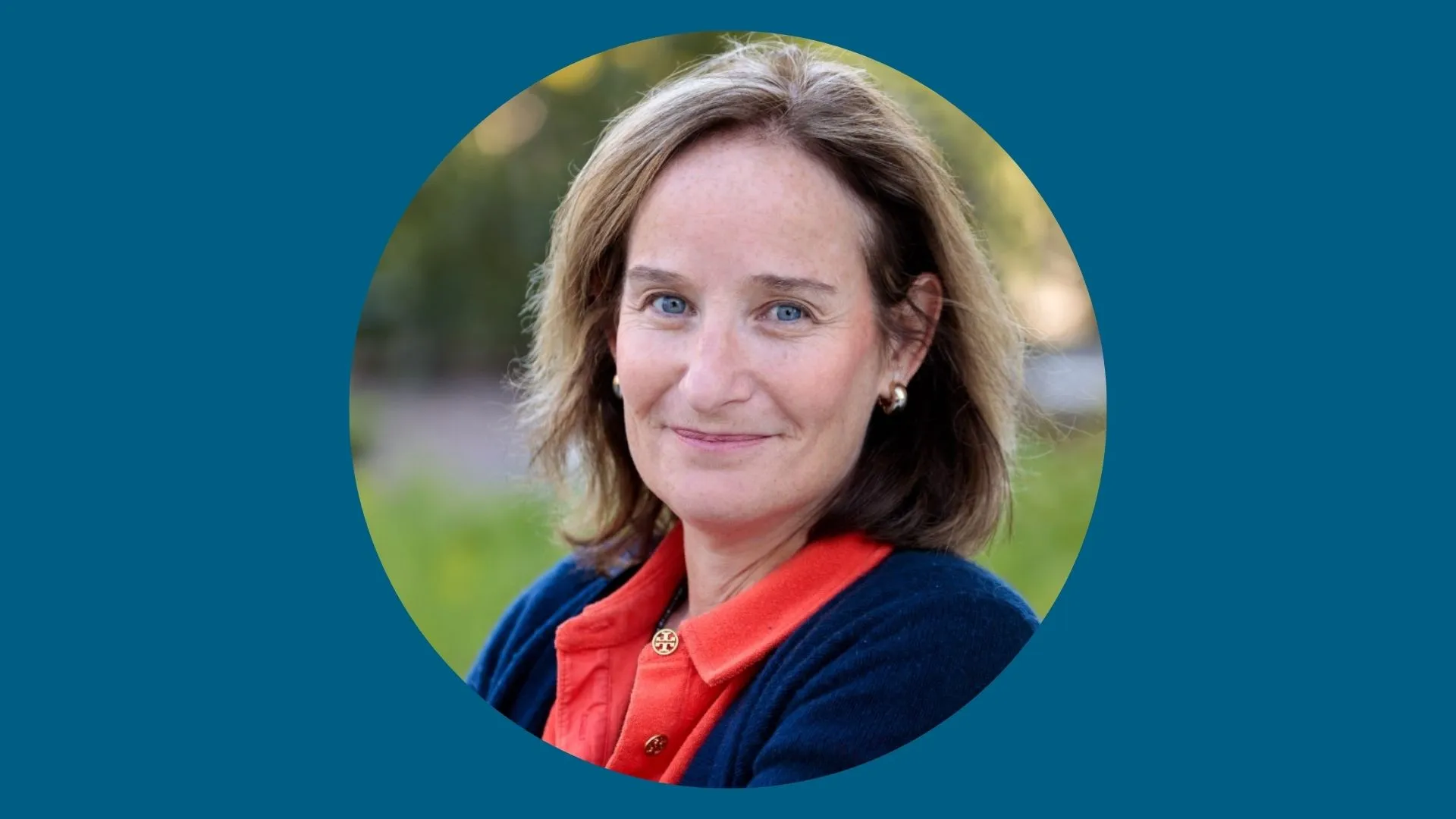
Rachel Bronson is a Senior Advisor at the Bulletin of the Atomic Scientists and a Nonresident Senior Fellow for Global Energy at The Chicago Council on Global Affairs. A distinguished expert on geopolitics and energy, Rachel has spent her career translating complex international relations into actionable policy insights. She is currently developing a project on the global resurgence of nuclear energy and its implications for the US energy transition.
What inspired you to start down this career path?
When I was in high school, I watched a news segment where an expert on Russia was explaining the inner workings of the Kremlin. I was struck by how she could take deep expertise and package it into a ten-minute discussion to help viewers make sense of a complicated situation. I wanted to be like her. I later realized that analyst was Condoleezza Rice!
That inspiration led me to Columbia, where I focused on Political Science. The environment was fierce and competitive in my day. I learned to develop my ideas, defend them, and improve them based on intense critiques from my peers. It helped me develop a thick skin and the ability to stay in an intellectual debate longer than most.
What are some skills from graduate school that you use in your work?
- Framework Thinking: I learned to think in structured frameworks and consider alternative views while developing my own perspective.
- Synthesizing Complexity: Much like the inspiration I drew from early on, a core part of my work involves taking deep expertise and making it accessible and meaningful for policy discussions.
- Resilience: The “combative” nature of my graduate training taught me how to handle rigorous critiques and use them to strengthen my scholarship.
What was your favorite part of being a student at Columbia GSAS?
Three memories immediately jump to mind:
- The intellectual community: Working at the Institute of War and Peace to earn extra money. I loved hanging around professors like Jack Snyder, Bob Jervis, and David Baldwin while seeing my friends breeze in and out throughout the day.
- Connecting theory to practice: During my last year, I ran a seminar series that hosted leading policymakers. Bringing Dennis Ross (then-President Clinton’s advisor on the Middle East) to campus was a highlight. He demonstrated how deep thinking and bureaucratic smarts could shape policy.
- Lasting friendships: The remarkably deep bonds I made with colleagues over the trials of graduate school and our shared aspirations. It’s the first thing I think about when I recall my time at Columbia.
What do you like to do outside of your professional work?
In graduate school, I loved finding the parts of New York that tourists don't get to see—the cheap restaurants and free exhibits that made the city affordable. Today, I love to read non-work-related fiction and nonfiction, and I am a dedicated fan of the NYT crossword puzzle.
What advice can you offer to current graduate students?
Your colleagues today are the leaders of tomorrow; invest in them. It is time well spent. You will be each other's support system now and in the future. Your network now will be the base of your network later—uplift each other whenever possible.
What are your plans for the future?
I am excited to develop a new research agenda and look forward to writing more on the topics I care about: the Middle East, US policy, and the geopolitics of energy. I also look forward to potentially taking up another institutional leadership role in the future.
Why is it important to you to support Columbia and its community?
For me, it is all about supporting the next generation of scholars and practitioners.